
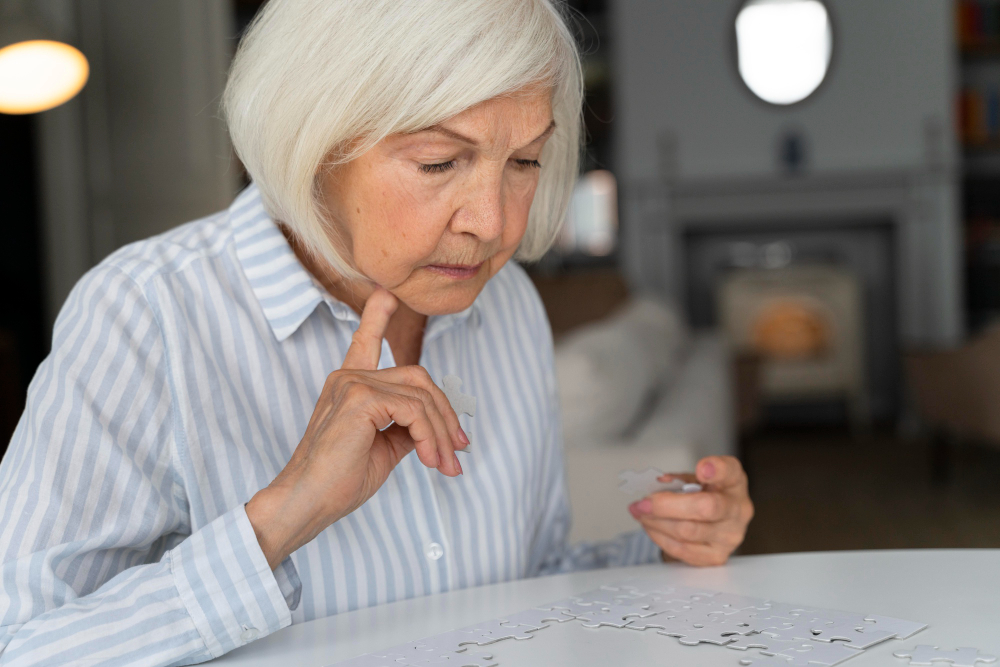
What is Dementia?
Dementia is a term for a group of brain disorders. It affects memory, thinking, and daily activities. When people ask, “What is Dementia?” they want to know why someone may forget things or act differently. Dementia is not a normal part of aging. Instead, it is a medical condition that needs attention. According to the World Health Organization (WHO), over 55 million people worldwide live with dementia. While it mostly affects older adults, it can happen to younger people too.
Common Symptoms of Dementia
Dementia symptoms can be mild at first. However, they often get worse over time. Early signs of dementia may be hard to notice. Still, knowing them can help you seek help sooner. Common symptoms include:
Sometimes, people may also have trouble recognizing friends or family. As dementia progresses, these symptoms can become more noticeable.
Causes and Risk Factors
There are several causes of dementia. The most common cause is Alzheimer’s disease. Other causes include stroke, Parkinson’s disease, and head injuries. In some cases, infections or vitamin deficiencies can also lead to dementia-like symptoms. However, not all memory loss is dementia.
Risk factors for dementia include:
Although you cannot change some risk factors, you can lower your risk by making healthy choices.
How Dementia is Diagnosed
Doctors use several steps to make a dementia diagnosis. First, they ask about symptoms and medical history. Next, they may do a physical exam and simple memory tests. Sometimes, doctors order blood tests or brain scans. These tests help rule out other problems, such as infections or strokes. Early diagnosis is important. It allows for better planning and treatment. If you notice early signs of dementia, talk to a healthcare professional soon.
Treatment Options
There is no cure for most types of dementia. However, treatment options can help manage symptoms. Doctors may prescribe medicines to improve memory or mood. In addition, counseling and support groups can help both patients and families. Occupational therapy teaches new ways to do daily tasks. Sometimes, changes at home make life safer and easier. The right dementia treatment options depend on each person’s needs.
Lifestyle Tips for Managing Dementia
Living with dementia can be challenging. Still, some lifestyle changes can help. Here are some tips:
Moreover, family support is very important. It helps people with dementia feel safe and valued.
Prevention and Early Detection
While not all cases of dementia can be prevented, some steps may lower your risk. For example, keeping your brain active by reading or doing puzzles can help. Also, regular exercise and a healthy diet protect your brain. Managing health problems like high blood pressure and diabetes is important too. Early detection of dementia leads to better care. If you notice memory loss or confusion, seek medical advice right away.
In summary, dementia is a serious condition, but early action can make a significant difference. Consult Shri Gajanan Multispeciality Hospital for personalized advice on dementia care and management.