
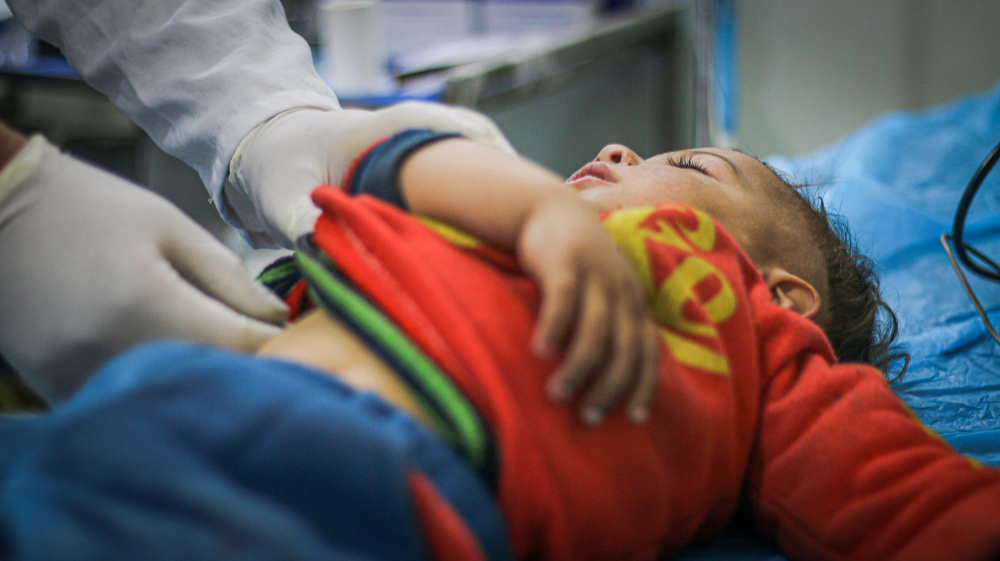
Pediatric epilepsy is a condition where children have repeated seizures. These seizures happen because of sudden changes in the brain’s activity. Recognizing the signs of pediatric epilepsy early is important. Early action can help your child get the right care. In this blog, you will learn about the signs, how to respond, and ways to support your child.
What is Pediatric Epilepsy?
Pediatric epilepsy means a child has two or more unprovoked seizures. A seizure is a sudden burst of electrical activity in the brain. This can cause changes in movement, behavior, or awareness. While some seizures are mild, others can be more serious. According to the CDC, epilepsy affects about 470,000 children in the United States. Knowing what to look for can help you act quickly.
Common Signs and Symptoms of Pediatric Epilepsy
Children with epilepsy may show different signs. Sometimes, these signs are easy to miss. However, knowing what to watch for can help you recognize childhood seizures early. Common signs include:
Sometimes, a child may only have one or two of these signs. Even so, it is important to pay attention. If you notice any of these symptoms, talk to your doctor.
How to Respond to a Seizure in a Child
When a child has a seizure, it can be scary. But knowing how to help a child during a seizure can keep them safe. Here are steps for pediatric epilepsy first aid:
After the seizure, the child may be confused or tired. Offer comfort and let them rest. If this is their first seizure, seek medical help right away.
When to Seek Medical Help
It is important to know when to call for help. You should seek medical care if:
Even if the seizure is short, you should still talk to your doctor. Early treatment can help manage pediatric epilepsy better.
Tips for Supporting a Child with Epilepsy
Living with epilepsy can be hard for children and families. However, there are ways to help your child feel safe and supported. Here are some tips:
With the right support, children with epilepsy can lead happy, active lives.
Prevention and Safety Measures
While you cannot always prevent epilepsy, you can take steps to keep your child safe. For example, you can:
- Make your home safe by padding sharp corners
- Supervise your child during baths and swimming
- Teach your child what to do if they feel a seizure coming on
- Help your child get enough sleep and manage stress
Regular check-ups with your doctor can also help manage the condition effectively.
If you notice signs of pediatric epilepsy, consult a pediatric specialist at Shri Gajanan Multispeciality Hospital for personalised guidance. Early action can make a big difference in your child’s health and well-being.