
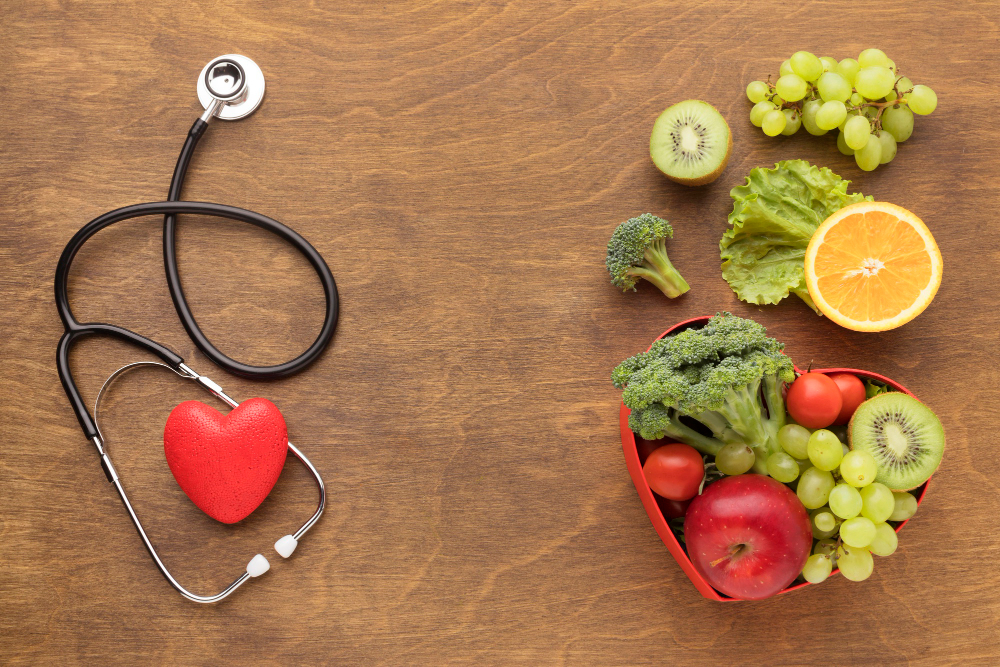
Introduction: Why Diet Matters for Heart Health
Your diet plays a big role in heart health. Eating the right foods can help prevent heart disease. In fact, many experts say that a healthy diet is one of the best ways to keep your heart strong. When you choose heart-healthy foods, you lower your risk of problems like high blood pressure and high cholesterol. Because your heart works hard every day, it needs the right fuel to stay healthy. So, learning what to eat for a healthy heart is very important.
Symptoms of Poor Heart Health Linked to Diet
Sometimes, poor eating habits can lead to signs of heart trouble. While symptoms may not always be obvious, you should watch for:
However, these symptoms can have many causes. If you notice them, it is important to talk to your doctor.
Causes: How Unhealthy Eating Habits Affect the Heart
Unhealthy eating habits can harm your heart in several ways. For example, eating too much salt can raise your blood pressure. Likewise, foods high in unhealthy fats can clog your arteries. Over time, these habits may lead to heart disease. In addition, eating lots of sugar can increase your risk of diabetes, which also affects your heart. So, making better food choices can help protect your heart.
Diagnosis: How Diet-Related Heart Issues Are Identified
Doctors use several ways to find diet-related heart problems. First, they may ask about your eating habits. Next, they check your blood pressure and cholesterol levels. Sometimes, they order blood tests to look for high sugar or fat levels. In some cases, doctors use heart scans or other tests. If your results show risk factors, your doctor may suggest changes to your diet. Early diagnosis helps prevent serious heart problems.
Treatment: Dietary Changes for a Healthy Heart
Changing your diet can help treat and prevent heart disease. Experts recommend two main eating plans:
Both diets are rich in fiber and healthy fats. They help lower blood pressure and cholesterol. In addition, they reduce your risk of heart attacks and strokes. For best results, follow these diets with help from a healthcare professional.
Lifestyle Guidance: Practical Tips for Daily Eating
Making small changes each day can improve your heart health. Here are some easy tips:
With these steps, you can make heart-healthy eating a daily habit.
Prevention: Foods to Eat, Foods to Avoid, and Key Nutrients
Eating the right foods can help prevent heart disease. Here is what you should focus on:
Best Foods for Heart Health
Foods to Avoid for a Healthy Heart
Key Nutrients for Heart Health
Also, watch your portion sizes. Even healthy foods can add up if you eat too much. Try using smaller plates and serving sizes. This helps you control calories and maintain a healthy weight.
Conclusion
In summary, your diet has a big impact on your heart.
By choosing heart-healthy foods and avoiding unhealthy options, you can lower your risk of heart disease. Remember, small changes add up over time.
Consult a healthcare professional at Shri Gajanan Multispeciality Hospital or a registered dietitian for personalized dietary advice.
Schedule your consultation today!
We’re here to help you make heart-healthy choices for a better future.