
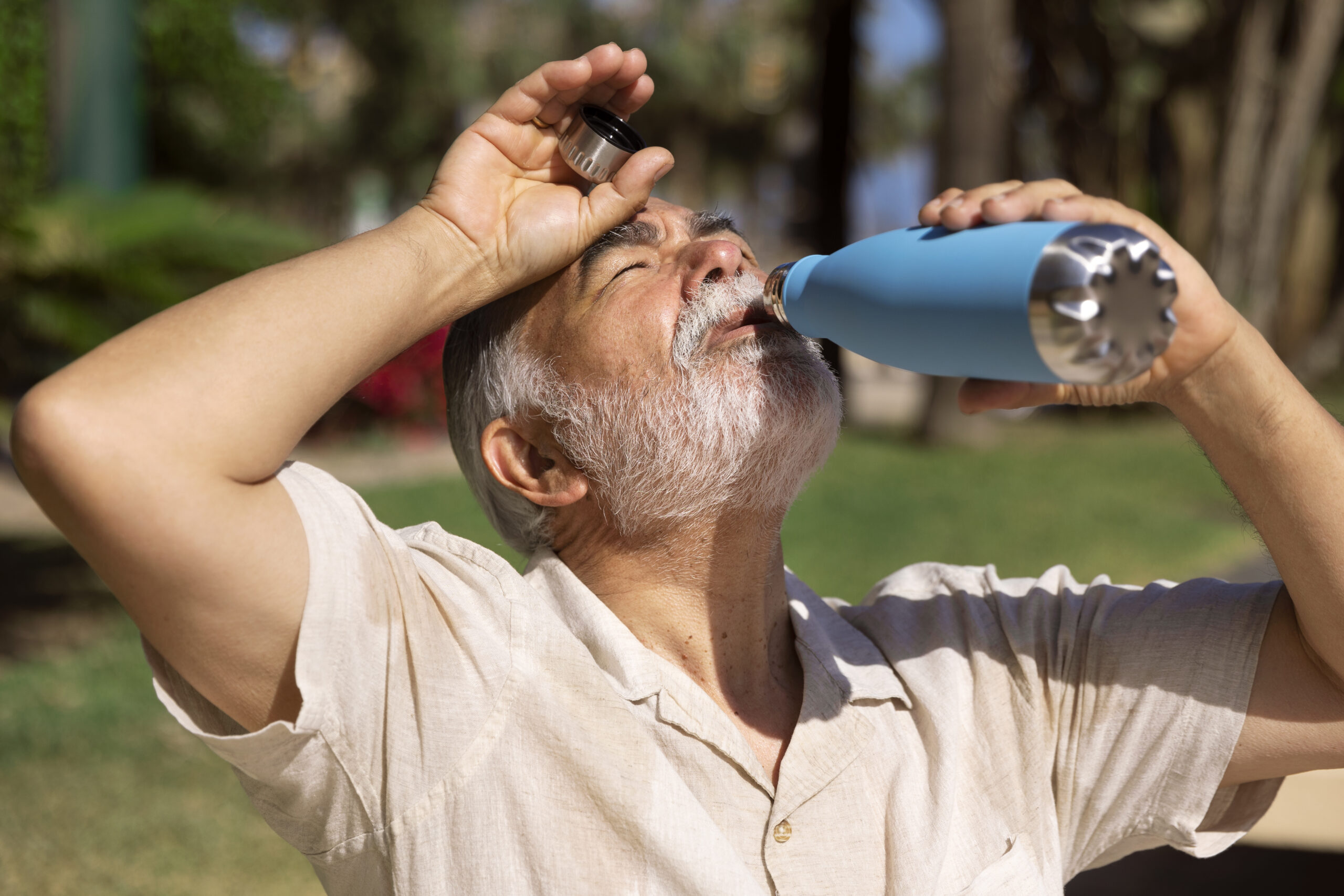
What is Heat Stroke?
Heat stroke is a serious medical emergency. It happens when your body overheats and cannot cool down. Usually, this occurs after long exposure to high temperatures or physical activity in hot weather. Because heat stroke can damage organs, it needs quick treatment. According to the CDC, heat stroke is the most severe heat-related illness. Therefore, knowing the signs and how to prevent heat stroke is important for everyone.
Symptoms of Heat Stroke
Recognizing heat stroke symptoms early can save lives. While some signs may seem mild at first, they can quickly get worse. For example, you might notice:
Because these symptoms can appear suddenly, it is important to act fast. If you notice any of these signs, seek emergency care for heat stroke right away.
Causes and Risk Factors
Heat stroke often happens when your body cannot cool itself. For instance, high temperatures and humidity make it harder for sweat to evaporate. As a result, your body temperature rises quickly. Common causes include:
Some people face a higher risk. For example, young children, older adults, and people with chronic illnesses are more likely to get heat stroke. Certain medicines, like diuretics or heart drugs, can also increase your risk. Therefore, it is important to stay aware during heat waves.
How Heat Stroke is Diagnosed
Doctors diagnose heat stroke by checking your symptoms and body temperature. Usually, they will ask about recent activities and how long you have been in the heat. In addition, they may check your heart rate, breathing, and mental state. Sometimes, blood tests help rule out other problems. Because heat stroke is an emergency, doctors often start treatment right away while they confirm the diagnosis.
Treatment Options for Heat Stroke
Immediate heat stroke treatment is vital. The main goal is to lower your body temperature quickly. For example, doctors may:
Sometimes, hospitals use special cooling blankets or cold IV fluids. Because heat stroke can harm organs, doctors may monitor your heart, kidneys, and brain during recovery. According to the WHO, fast treatment can prevent long-term damage.
Prevention Tips for Heat Stroke
Preventing heat stroke is possible with simple steps. For instance, you can:
Because heat stroke can happen quickly, it is important to stay alert during hot weather. If you feel dizzy or weak, move to a cooler place right away.
When to Seek Emergency Care
Heat stroke is a medical emergency. Therefore, you should call 911 or seek help if you or someone else has:
While waiting for help, try to cool the person down. For example, use cold water, fans, or ice packs. However, do not give fluids if the person is unconscious or confused. Quick action can save lives.
If you suspect heat stroke, seek emergency medical help immediately. For personalized advice, consult at Shri Gajanan Multispeciality Hospital.