
What Is Diabetes Screening?
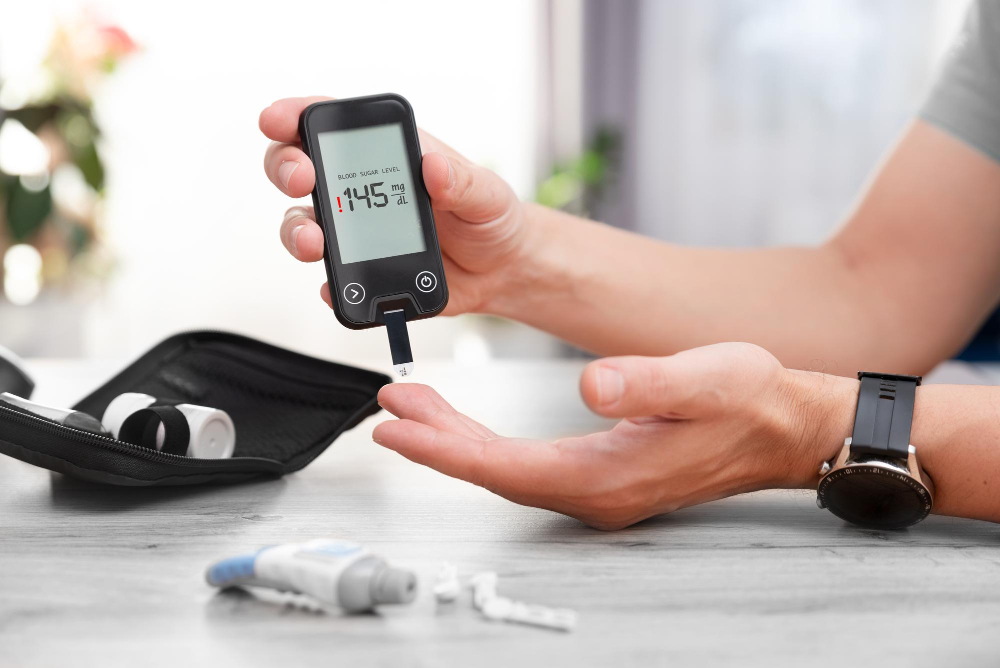
Diabetes screening is a way to check your blood sugar levels. It helps find diabetes early, even before symptoms appear. Because early detection of diabetes can prevent serious health problems, regular screening is important. Doctors use simple blood tests to see if your blood sugar is too high. These tests can spot diabetes or prediabetes, which means your sugar levels are higher than normal but not yet diabetes.
Why Is Diabetes Screening Important?
Early diabetes screening can protect your health. For example, it can catch high blood sugar before you feel sick. This means you can start treatment sooner. As a result, you may avoid problems like heart disease, nerve damage, or vision loss. In many cases, people do not know they have diabetes. Therefore, regular screening helps find hidden cases and keeps you healthy.
Who Should Get Screened for Diabetes?
Not everyone needs diabetes screening at the same age. However, some people have a higher risk. According to the CDC and WHO, you should get screened if you:
Even if you feel healthy, you may still need screening if you have these risk factors.
Recommended Ages and Risk Factors for Screening
Most guidelines suggest starting diabetes screening at age 35. However, you may need earlier screening if you have risk factors. For example, if you are overweight and have another risk factor, your doctor may suggest testing sooner. In some locations, local health programs may offer free or low-cost screenings for high-risk groups. Therefore, it is important to ask your doctor about the best time for you.
How Blood Sugar Levels Are Checked (Types of Tests)
Doctors use several tests to check blood sugar levels. Each test gives important information. Common tests include:
Each test helps your doctor understand your risk and decide if you need treatment.
How Often to Check Blood Sugar Levels
How often you need a blood sugar test depends on your age and risk. For most adults, screening every 3 years is enough if results are normal. However, if you have risk factors, your doctor may suggest more frequent tests. For example, people with prediabetes may need yearly checks. Always follow your doctor’s advice about blood sugar test frequency.
What to Expect During Screening
Diabetes screening is simple and quick. Usually, a nurse or doctor will take a small blood sample from your arm or finger. Sometimes, you may need to fast before the test. After the test, you can go back to your normal activities. Your doctor will explain the results and what they mean for your health.
Tips for Preparing for a Diabetes Screening
Getting ready for a diabetes screening is easy. Here are some tips:
Following these steps can help your screening go smoothly.
Lifestyle Guidance for Those at Risk
If you are at risk for diabetes, healthy habits can make a big difference. For instance, you can:
Even small changes can lower your risk and help you feel better each day.
Prevention Strategies for Diabetes
Preventing diabetes is possible for many people. Because early action matters, you should:
By taking these steps, you can lower your risk and protect your health.
Conclusion
If you have questions about diabetes screening or your risk, Shri Gajanan Multispeciality Hospital is here to help. Book a consultation today to get personalized advice and support for your health.