
What is Dengue Fever?
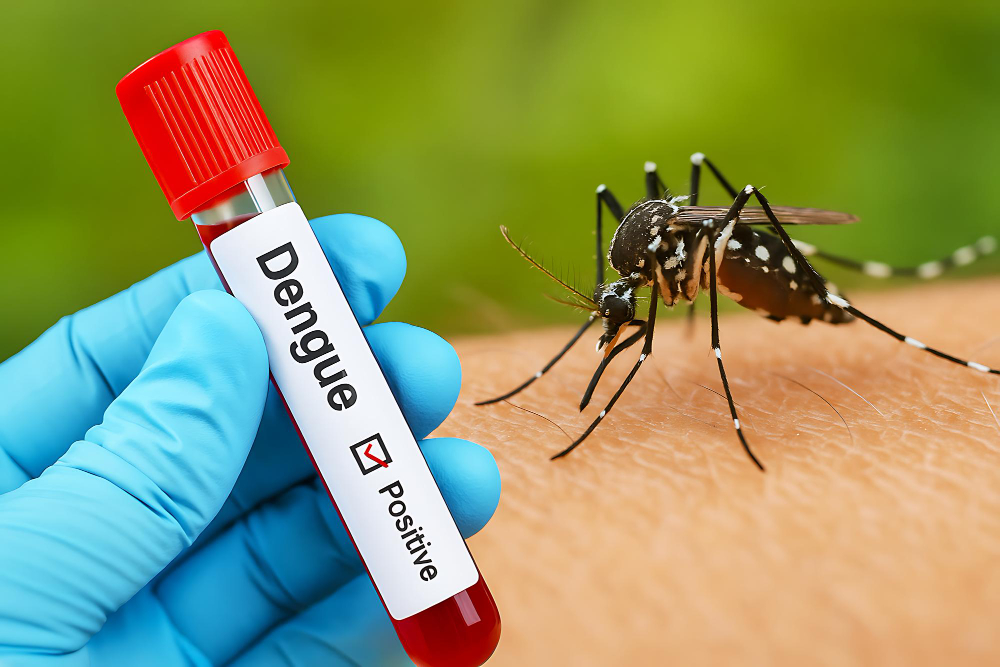
Dengue Fever is a viral illness spread by mosquitoes. It is common in tropical and subtropical areas. The disease is caused by the dengue virus, which is carried by the Aedes mosquito. Many people get infected each year, especially during the rainy season. According to the World Health Organization (WHO), millions of cases occur worldwide every year. In some places, such as India and Southeast Asia, the risk is higher. Early detection is important for better recovery.
Early Warning Signs of Dengue Fever
Recognizing dengue fever symptoms early can help prevent serious problems. At first, symptoms may seem mild. However, they can get worse quickly. Watch for these early warning signs:
Sometimes, symptoms can be confused with the flu. But, if you live in or have traveled to an area with dengue, stay alert. Early warning signs can help you act quickly.
When to Seek Medical Attention or Hospitalisation
Most dengue cases are mild and can be managed at home. However, some people develop severe dengue, which can be life-threatening. Therefore, it is important to know when to hospitalise for dengue. Seek immediate medical attention if you notice:
If any of these dengue warning signs appear, go to the hospital right away. Early treatment can save lives.
Diagnosis and Treatment Overview
Doctors diagnose dengue fever with a physical exam and blood tests. These tests check for the virus and low platelet counts. There is no specific cure for dengue. But, supportive care helps most people recover. Treatment usually includes:
In severe cases, hospital care may include IV fluids and careful monitoring. With early care, most people recover within two weeks.
Prevention Tips and Lifestyle Guidance
Since there is no vaccine for dengue in many countries, prevention is key. You can lower your risk by following these simple steps:
Additionally, community efforts to control mosquitoes help reduce the spread of dengue fever. Stay informed during outbreaks and follow local health advice.
Frequently Asked Questions (FAQs)
Can dengue fever spread from person to person?
No, dengue fever does not spread directly from person to person. It spreads only through mosquito bites.
How long does dengue fever last?
Most people recover in about one to two weeks. However, weakness may last longer in some cases.
Is there a vaccine for dengue fever?
Some countries have a dengue vaccine, but it is not widely available everywhere. Prevention remains the best approach.
What foods should I eat during dengue fever?
Eat light, easy-to-digest foods. Drink plenty of fluids like water, soup, and juice to stay hydrated.
Conclusion
Dengue fever can be serious, but early action makes a big difference. If you notice early warning signs of dengue fever, consult at Shri Gajanan Multispeciality Hospital for personalized advice. Quick care can help prevent severe illness and save lives.