
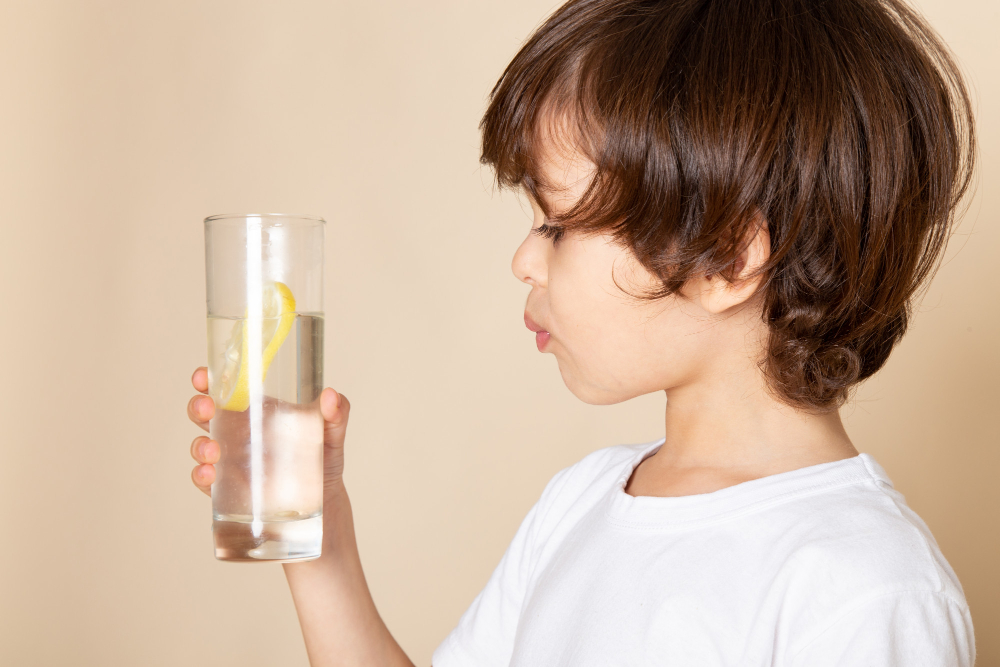
What is Dehydration in Children?
Dehydration in children happens when a child loses more fluids than they take in. This can make it hard for the body to work well. Often, children lose fluids through sweating, vomiting, diarrhea, or not drinking enough water. Because their bodies are smaller, kids can get dehydrated faster than adults. For this reason, it is important to know the signs of dehydration in kids and act quickly.
Common Symptoms of Dehydration
Recognizing the symptoms early can help prevent serious problems. Some signs of dehydration in children include:
Sometimes, children may also feel dizzy or confused. If you notice these symptoms, it is important to act quickly.
Causes of Dehydration in Children
Many things can cause dehydration in children. For example, hot weather can make kids sweat more. Also, illnesses like diarrhea or vomiting can lead to rapid fluid loss. Sometimes, children do not drink enough water, especially when they are active or sick. In addition, fever can increase fluid loss. Certain medical conditions may also raise the risk of dehydration in kids.
How Dehydration is Diagnosed
Doctors use several ways to check for dehydration in children. First, they ask about symptoms and recent illnesses. Next, they may look at the child’s skin, eyes, and mouth. Sometimes, doctors check the child’s weight and vital signs. In some cases, they may order blood or urine tests to see how much fluid is lost. These steps help find out how severe the dehydration is.
Treatment Options for Dehydration
Treating dehydration in children depends on how severe it is. For mild cases, oral rehydration solutions (ORS) are very helpful. These drinks replace lost fluids and salts. You can buy ORS at most pharmacies. In addition, encourage your child to take small sips of water often. Avoid giving sugary drinks or sodas, as they can make things worse.
For moderate or severe dehydration, children may need medical care. Sometimes, doctors give fluids through a vein (IV) in the hospital. This helps restore fluids quickly. Always follow your doctor’s advice for the best results.
Prevention Tips for Parents
Preventing dehydration in children is possible with a few simple steps. Here are some hydration tips for kids:
In hot climates, children need even more fluids. Always keep water nearby and remind your child to drink, even if they are not thirsty.
When to Seek Medical Help
Sometimes, dehydration can become serious. Seek medical help right away if your child:
Quick action can prevent serious health problems. If you are unsure, it is always better to call your doctor.
Conclusion
Dehydration in children can be serious, but it is often preventable. By knowing the symptoms and causes, you can act fast to keep your child safe. If you suspect your child is dehydrated, consult a pediatrician at Shri Gajanan Multispeciality Hospital for personalized guidance.