
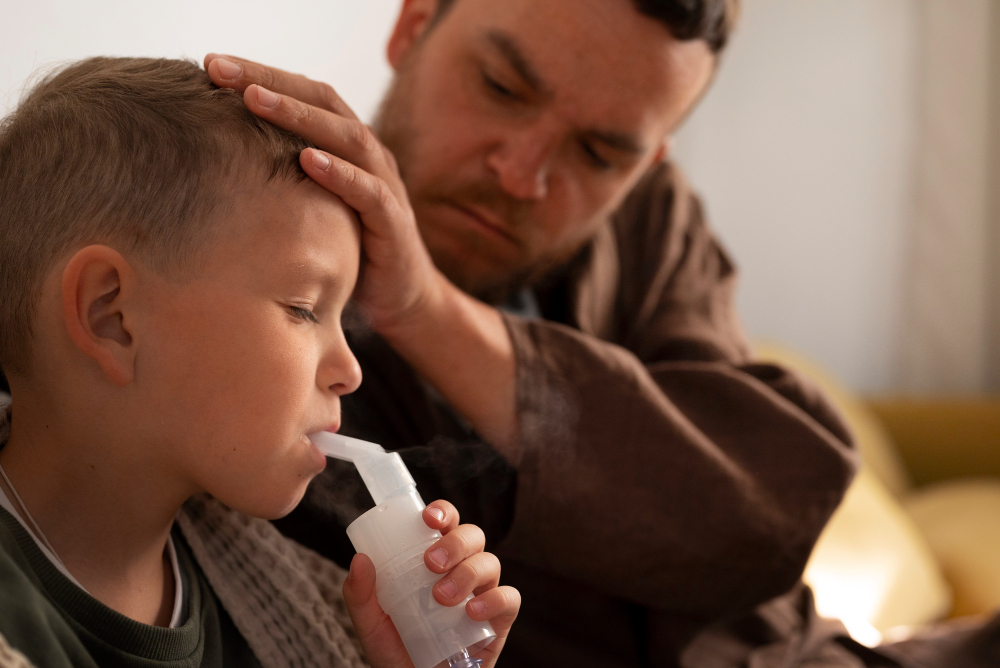
What Is Childhood Asthma?
Childhood asthma is a long-term lung condition that affects many children. It causes the airways in the lungs to swell and narrow. As a result, breathing can become hard. According to the CDC, asthma is one of the most common chronic diseases in children. While some kids may outgrow asthma, many need ongoing care. Early signs of asthma in kids can be mild or severe. For this reason, knowing what to look for is very important.
Common Signs and Symptoms of Childhood Asthma
Asthma symptoms in children can vary from child to child. However, some signs are more common than others. Because symptoms can change over time, parents should watch for:
Sometimes, these symptoms can be mistaken for a cold or allergies. Yet, if they keep coming back, asthma may be the cause.
Warning Signs Parents Should Not Ignore
While mild symptoms can be managed at home, some warning signs mean your child needs medical help right away. Therefore, parents should not ignore:
If you notice any of these, seek emergency care. According to the World Health Organization, quick action can save lives.
Causes and Risk Factors
Although doctors do not know the exact cause of childhood asthma, several risk factors can increase a child’s chances. For example, children are more likely to develop asthma if they:
Because these factors can add up, it is important to talk to your doctor about your child’s risks.
How Childhood Asthma Is Diagnosed
Doctors use several steps to diagnose asthma in children. First, they ask about symptoms and family history. Next, they may listen to your child’s breathing. In some cases, lung function tests are used. These tests measure how well your child can breathe in and out. Sometimes, doctors may ask for allergy tests or chest X-rays. Since asthma symptoms in children can look like other illnesses, a full check-up is needed.
Treatment Options for Childhood Asthma
Managing childhood asthma often involves a mix of medicines and lifestyle changes. Most children use inhalers that deliver medicine straight to the lungs. There are two main types of asthma medicine:
Doctors may also suggest allergy medicine if allergies trigger asthma. Because each child is different, treatment plans should be tailored by a doctor. The CDC recommends regular check-ups to adjust medicine as needed.
Tips for Managing Childhood Asthma at Home
Parents play a big role in managing childhood asthma. For example, you can:
With these steps, you can help your child stay healthy and active.
Preventing Asthma Attacks in Children
Although asthma cannot be cured, you can help prevent attacks. To do this, try the following:
When to see a doctor for asthma? If symptoms get worse or do not improve with medicine, contact your healthcare provider. For families in your area, local clinics offer childhood asthma care to support your child’s needs.