
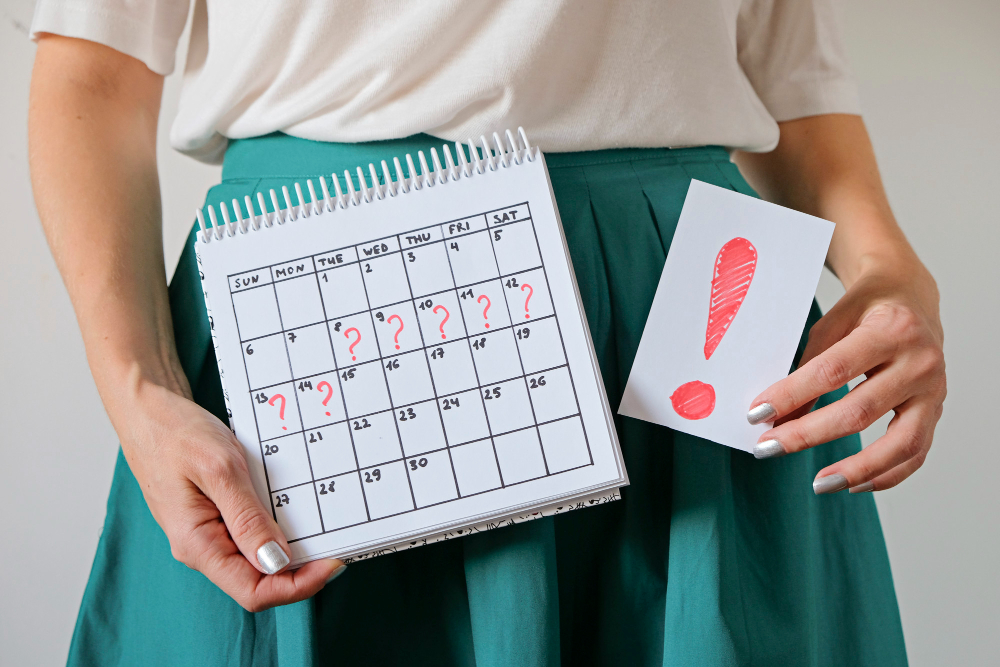
What Are Irregular Periods?
Irregular periods are menstrual cycles that do not follow a regular pattern. Usually, a period comes every 21 to 35 days. However, if your cycle changes often or lasts longer or shorter than this, it is called irregular. For many women, irregular periods can be confusing or stressful. In fact, the World Health Organization notes that menstrual changes are common, especially during puberty or menopause. Still, ongoing irregular periods may signal an underlying health issue.
Common Symptoms of Irregular Periods
Irregular periods can show up in different ways. For example, you might notice:
Additionally, some people may feel cramps, mood changes, or tiredness. Because symptoms can vary, it helps to track your cycle each month. This way, you can spot changes early.
Causes of Irregular Periods
There are many causes of irregular periods. Sometimes, changes are normal, such as during puberty or before menopause. However, other times, medical issues may play a role. For instance, common causes include:
Because the causes of irregular periods can be many, it is important to look for patterns. If you notice ongoing changes, consider speaking with a healthcare provider.
How Irregular Periods Are Diagnosed
Doctors use several steps to diagnose irregular periods. First, they ask about your medical history and menstrual cycle. Next, they may perform a physical exam. Sometimes, tests are needed to find the cause. For example, your doctor may suggest:
In many cases, keeping a period diary helps your doctor see patterns. Because early diagnosis can help, do not wait if you notice changes.
Treatment Options for Irregular Periods
Treatment for irregular periods depends on the cause. Sometimes, no treatment is needed if the changes are normal. However, if a medical issue is found, your doctor may suggest:
Additionally, if stress or lifestyle is the cause, simple changes may help. Because each person is different, your doctor will create a plan that fits your needs.
Lifestyle Tips for Managing Irregular Periods
There are steps you can take at home to help manage irregular periods. For example:
Because small changes can make a big difference, try to build healthy habits. Over time, these steps may help your periods become more regular.
Prevention and When to See a Doctor
While not all irregular periods can be prevented, some steps may lower your risk. For instance, maintaining a healthy weight and managing stress can help. However, you should see a doctor if you:
Because early care can prevent complications, do not ignore ongoing changes in your cycle. Specialists at Shri Gajanan Multispeciality Hospital can help find the cause and suggest the best treatment for irregular periods.