
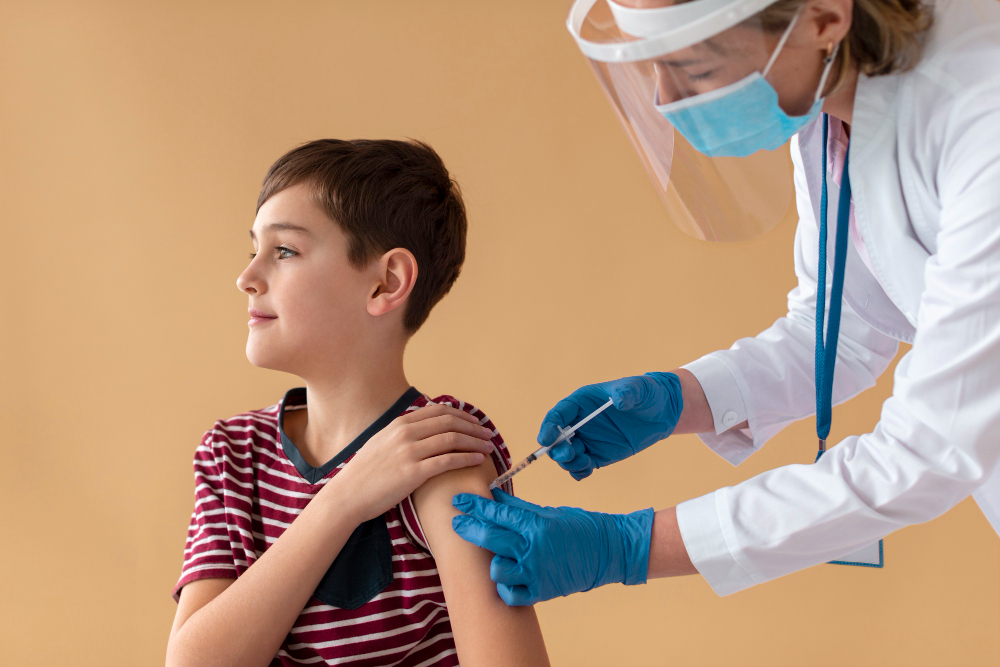
Introduction to Typhoid and the Importance of Vaccination
Typhoid fever is a serious illness caused by bacteria. It spreads through contaminated food or water. Children are especially at risk in many parts of the world. Because of this, typhoid vaccination is an important step for parents. It helps protect children from getting sick. According to the World Health Organization (WHO), vaccination is one of the best ways to prevent typhoid. In many cities, outbreaks can happen quickly. So, keeping your child safe with a vaccine is wise.
What Is Typhoid Vaccination?
Typhoid vaccination is a shot or oral medicine that helps the body fight typhoid bacteria. There are two main types of typhoid vaccines. One is an injection, and the other is taken by mouth. Both help the immune system build protection. For children, the injectable vaccine is often used. This safe typhoid vaccination can lower the risk of getting typhoid fever.
Who Should Get the Typhoid Vaccine?
Children living in or traveling to areas where typhoid is common should get the vaccine. In addition, families who visit relatives in high-risk countries should consider it. The Centers for Disease Control and Prevention (CDC) recommends typhoid vaccine for children over six months in these cases. However, always talk to your doctor for the best advice for your child.
Recommended Vaccination Schedule for Children
For most children, the injectable typhoid vaccine is given as a single shot. It is usually given to children aged two years and older. In some cases, younger children may need it if they are at high risk. After the first dose, a booster shot may be needed every three years. Your doctor will guide you on the right schedule for your child.
Benefits and Effectiveness of Typhoid Vaccination
Typhoid vaccination offers strong protection against typhoid fever. Studies show that the vaccine can prevent most cases in children. Because of this, fewer children get sick or need hospital care. In addition, the vaccine helps stop the spread of typhoid in the community. While no vaccine is 100% effective, typhoid vaccination greatly lowers the risk. For parents, this means peace of mind and better health for their children.
Possible Side Effects and Safety Information
Most children have no serious problems after typhoid vaccination. However, some may have mild side effects. These can include:
These effects usually go away within a day or two. Severe reactions are very rare. The vaccine is considered safe for most children. Still, let your doctor know if your child has allergies or past vaccine reactions.
How to Prepare Your Child for the Vaccine
Before the visit, talk to your child about what to expect. Explain that the vaccine helps keep them healthy. You can bring a favorite toy or book for comfort. Make sure your child is well-rested and has eaten a light meal. If your child is nervous, deep breaths or gentle distraction can help. Always let the nurse or doctor know if your child feels unwell on the day of the shot.
Tips for Aftercare and Monitoring
After the vaccine, watch your child for any side effects. Most children feel fine soon after. However, if your child has a fever, give fluids and let them rest. You can use a cool cloth on the injection site if it is sore. If you notice a rash, high fever, or trouble breathing, contact your doctor right away. Keep your child’s vaccine record up to date for future visits.
Prevention Tips Beyond Vaccination
While typhoid vaccination is key, other steps help prevent typhoid in kids. For example:
These habits, along with vaccination, offer strong protection against typhoid.
In summary, typhoid vaccination is a safe and effective way to protect your child. For more details or to schedule a vaccine, consult pediatrician at Shri Gajanan Multispeciality Hospital to learn more about typhoid vaccination for your child.