
Introduction
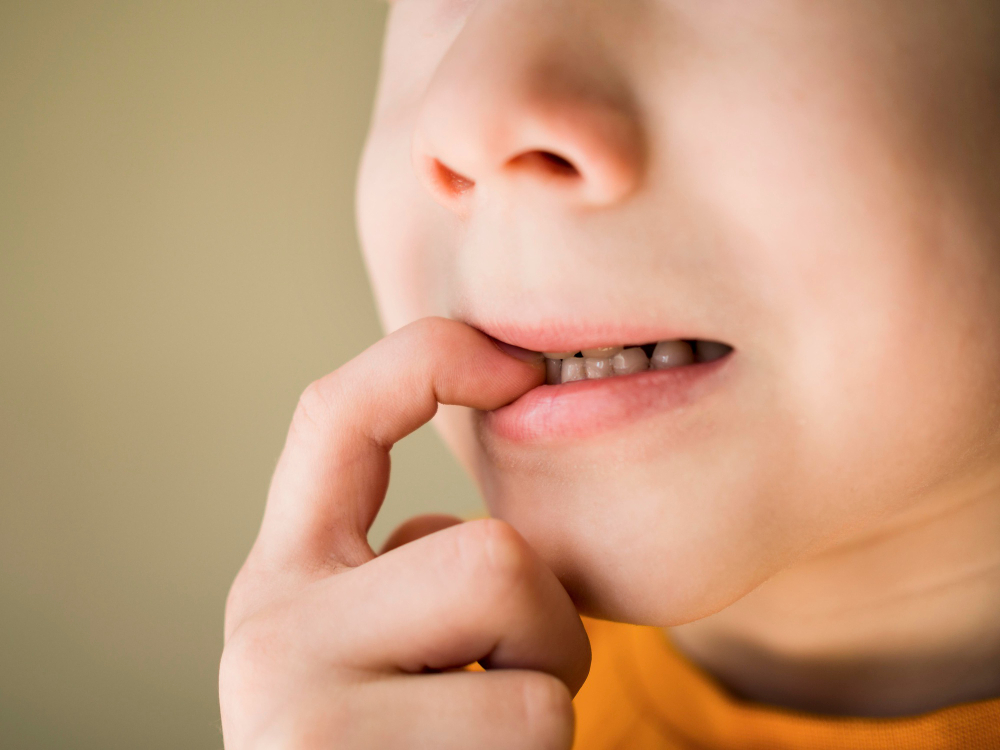
Thumb sucking and nail biting in children are common habits. Many kids start these behaviors early in life. Often, these habits are harmless and fade with time. However, sometimes they can last longer and cause problems. Parents may wonder when to worry about thumb sucking or nail biting. In this blog, we will explain why these habits happen, when they become a concern, and how to help your child stop.
Why Do Children Suck Their Thumbs or Bite Their Nails?
Children often suck their thumbs or bite their nails for comfort. For example, some kids do this when they feel tired, bored, or stressed. These habits can help them relax or feel safe. In many cases, children pick up these actions by watching others. Sometimes, nail biting or thumb sucking can be a way to cope with anxiety or changes at home or school. While most children outgrow these habits, a few may continue if they feel worried or need extra comfort.
When Should Parents Worry?
Most children stop thumb sucking or nail biting on their own. Yet, there are times when parents should pay closer attention. Watch for these warning signs:
If you notice any of these signs, it may be time to seek advice. Early help can prevent bigger problems later.
Possible Health Risks
While thumb sucking and nail biting in children are usually harmless, they can sometimes lead to health issues. For instance, thumb sucking can cause dental problems, such as crooked teeth or changes in the roof of the mouth. Nail biting may lead to skin infections or sore fingers. In rare cases, germs from the mouth or nails can cause illness. Also, children may feel shy or anxious if others notice their habits. Because of these risks, it is important to watch for any changes in your child’s mouth or fingers.
Diagnosis and When to Seek Help
Pediatricians can help assess these habits. They may ask about how often your child sucks their thumb or bites their nails. Sometimes, they will check your child’s teeth, mouth, or fingers for signs of damage. If the habit is causing problems, your doctor may suggest ways to help your child stop. You should seek help if:
Getting advice early can make a big difference.
Effective Strategies for Parents
There are many ways to help children stop thumb sucking or nail biting. Here are some tips:
Sometimes, using a bandage or bitter-tasting nail polish can help. However, always use these methods with care and support.
Prevention and Positive Reinforcement
Preventing these habits can be easier than breaking them. For example, keep your child’s nails trimmed and clean. Offer comfort and attention when your child feels upset. Encourage healthy ways to cope with stress, such as drawing or playing outside. Use praise and small rewards to reinforce good behavior. Over time, these steps can help your child build confidence and avoid bad habits.
Conclusion
In summary, thumb sucking and nail biting in children are common and often harmless. Most kids outgrow these habits without trouble. However, if the habit continues or causes problems, it is wise to seek help. With patience and the right support, children can learn healthier ways to cope. Consult a pediatrician at Shri Gajanan Multispeciality Hospital for personalized guidance if you are concerned about your child’s habits.