
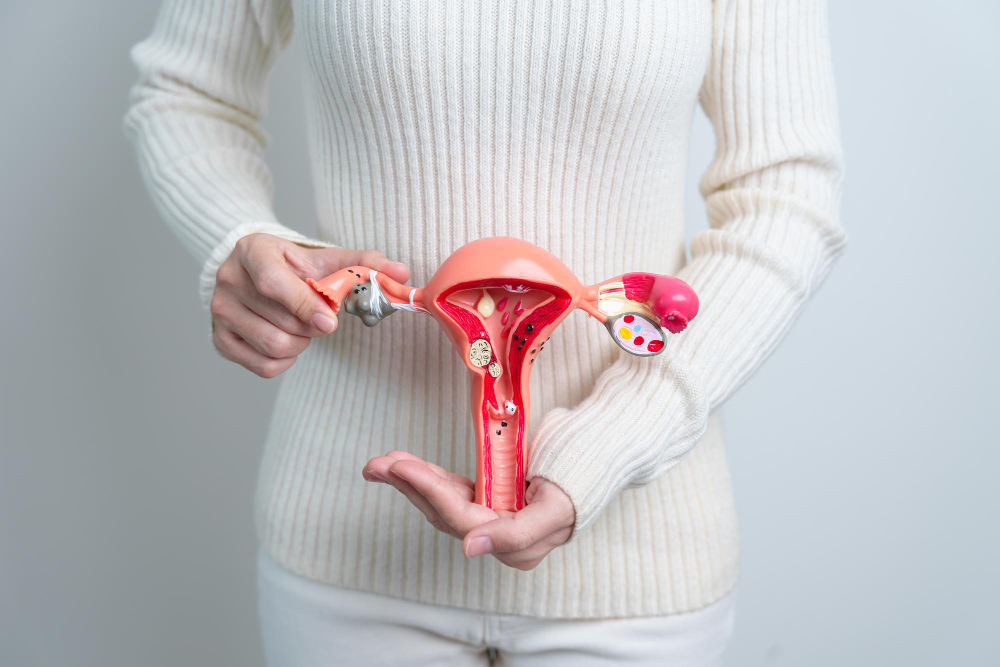
What Are Ovarian Cysts?
Ovarian cysts are fluid-filled sacs that form on or inside an ovary. Most women will have an ovarian cyst at some point. Usually, these cysts are harmless and go away on their own. However, some cysts can cause problems and may need treatment. Understanding ovarian cyst symptoms and types can help you know when to seek help.
Types of Ovarian Cysts
There are several types of ovarian cysts. Each type has different causes and risks. Below are the most common types:
Although most cysts are not dangerous, some may need medical care.
Common Symptoms of Ovarian Cysts
Many ovarian cysts cause no symptoms. However, some women may notice signs. For example, you might feel:
Sometimes, a cyst can burst or twist. This can cause sudden, severe pain. If this happens, seek medical help right away.
Causes and Risk Factors
Ovarian cysts can form for many reasons. Most often, they develop during the menstrual cycle. However, other causes include:
Although anyone with ovaries can get cysts, some women are at higher risk. For instance, women with hormone problems or endometriosis may get cysts more often.
How Are Ovarian Cysts Diagnosed?
Doctors use several methods to find ovarian cysts. First, they may do a pelvic exam. Next, they often use an ultrasound. This test uses sound waves to create pictures of your ovaries. Sometimes, blood tests or other scans are needed. These tests help rule out cancer or other problems.
Treatment for Ovarian Cysts
Most ovarian cysts do not need treatment. Often, doctors suggest waiting and watching. However, treatment depends on your age, cyst size, and symptoms. Common options include:
Sometimes, surgery is needed. For example, surgery may be required if:
Doctors may remove just the cyst or, in rare cases, the whole ovary. Laparoscopy is a common, less invasive surgery for cyst removal.
When Is Surgery Needed for Ovarian Cysts?
Surgery is not always needed for ovarian cysts. However, you may need surgery if:
Although most cysts are harmless, it is important to follow your doctor’s advice. Early treatment can prevent complications.
Lifestyle Tips and Prevention
While you cannot always prevent ovarian cysts, some steps may help. For instance:
Because some cysts are linked to hormone changes, healthy habits may lower your risk.
Summary
Ovarian cysts are common and often harmless. However, knowing the types, symptoms, and when surgery is needed can help you stay healthy. If you notice pain, bloating, or changes in your period, talk to your doctor. Early care can make a big difference.
Consult a gynecologist at Shri Gajanan Multispeciality Hospital for personalized advice about ovarian cysts.