
Introduction
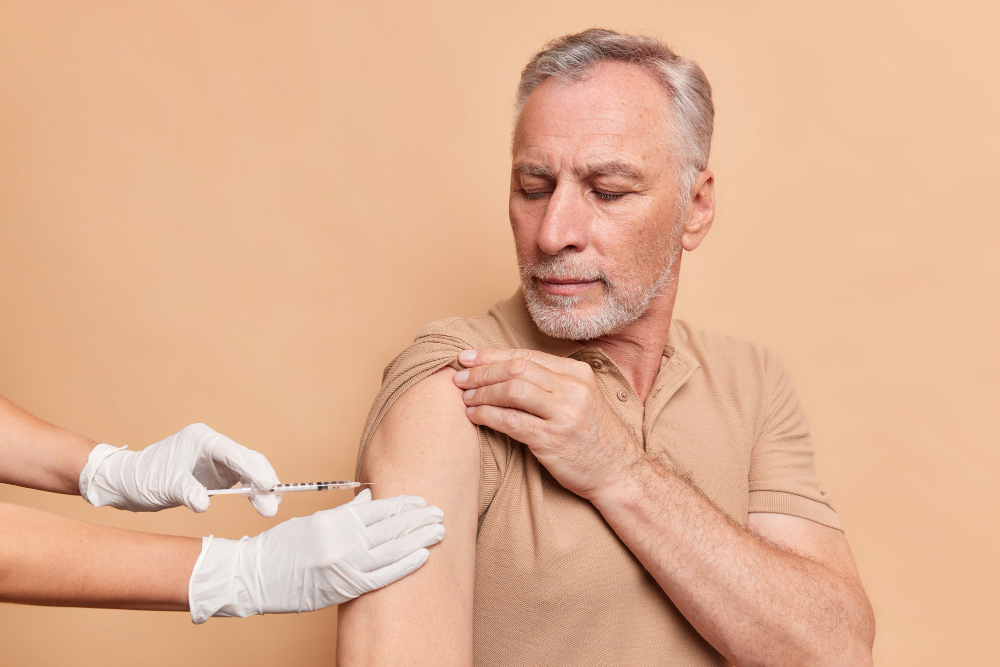
Vaccination for elderly is a key part of healthy aging. As people grow older, their immune system weakens. Because of this, older adults are more likely to get sick from infections. Vaccines for seniors help prevent serious diseases. Elderly immunization protects not only the person but also those around them. In the United States, preventive healthcare for older adults includes regular vaccines. Staying up-to-date with shots can lower the risk of illness, hospital stays, and even death. For these reasons, vaccination for elderly is more important than ever.
Why Vaccination Matters for the Elderly
As we age, our bodies change. For example, the immune system does not work as well. This means older adults are at higher risk for infections. In addition, illnesses like the flu or pneumonia can be more severe in seniors. Vaccines help prevent these diseases. They also lower the chance of spreading germs to others. Because of this, vaccines are a key part of preventive healthcare for older adults. Not only do they protect the elderly, but they also help keep families and communities safe.
Common Vaccines Recommended for Seniors
Doctors and health experts recommend several vaccines for seniors. These shots help protect against common and serious diseases. The Centers for Disease Control and Prevention (CDC) and World Health Organization (WHO) suggest the following vaccines for older adults:
Because everyone is different, your doctor may suggest other vaccines based on your health and lifestyle.
How Vaccines Work in Older Adults
Vaccines train the immune system to fight germs. When you get a vaccine, your body learns to recognize and attack certain viruses or bacteria. However, as people age, their immune response can slow down. This means vaccines may not work as strongly as they do in younger people. Even so, vaccines still offer good protection. In fact, getting vaccinated can make illnesses less severe if you do get sick. For this reason, elderly immunization is a smart step for healthy aging.
Safety and Side Effects
Most vaccines for seniors are very safe. Side effects are usually mild and go away quickly. For example, you might have a sore arm, mild fever, or feel tired for a day or two. Serious side effects are rare. However, it is important to tell your doctor about any allergies or past reactions to vaccines. Because safety is a top concern, vaccines are tested and monitored by experts like the CDC and WHO. If you have questions, your healthcare provider can explain the risks and benefits.
Tips for Staying Up-to-Date with Vaccines
It can be easy to forget when you need a shot. However, staying current with vaccines is vital for good health. Here are some tips to help:
Because vaccine schedules can change, always check with your healthcare provider for the latest advice.
Prevention and Healthy Living
Vaccines are just one part of staying healthy as you age. In addition, you can take other steps to protect yourself. For example, wash your hands often, eat a balanced diet, and stay active. Avoid close contact with people who are sick. Also, see your doctor for regular check-ups. When you combine vaccines with healthy habits, you lower your risk of illness even more. For these reasons, prevention is the best medicine for older adults.
Conclusion
Vaccination for elderly is a safe and effective way to prevent serious diseases. Because older adults face higher risks, staying up to date with vaccines is key. Consult Shri Gajanan Multispeciality Hospital to discuss the best vaccination plan for you or your loved ones.